Artificial intelligence (AI) is becoming increasingly integrated into educational systems worldwide, and Romania is no exception. As schools and universities adopt new technologies, students and parents are starting to observe noticeable changes in how learning is delivered and experienced. Edtech innovations powered by AI are reshaping traditional methods, promising more personalized and efficient education.
Enhanced Personalized Learning Experiences
One of the first aspects Romanian students and parents will notice is the shift towards personalized learning. AI-driven edtech tools analyze individual students’ strengths and weaknesses, adapting materials to suit their specific needs. This approach helps students progress at their own pace, improving engagement and outcomes. For parents, this means more transparent insights into their child’s learning progress and areas where additional support might be necessary.
Integration of AI-Powered Tutors and Assistants
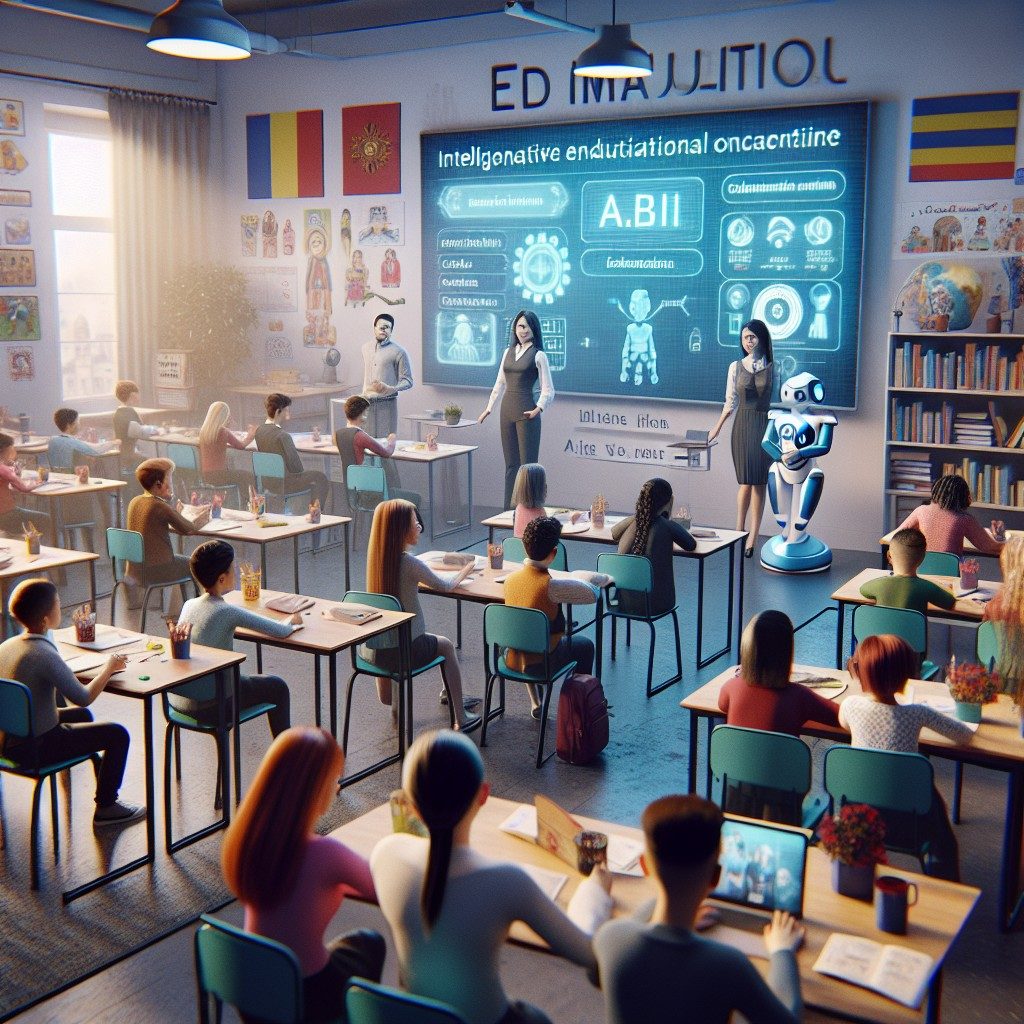
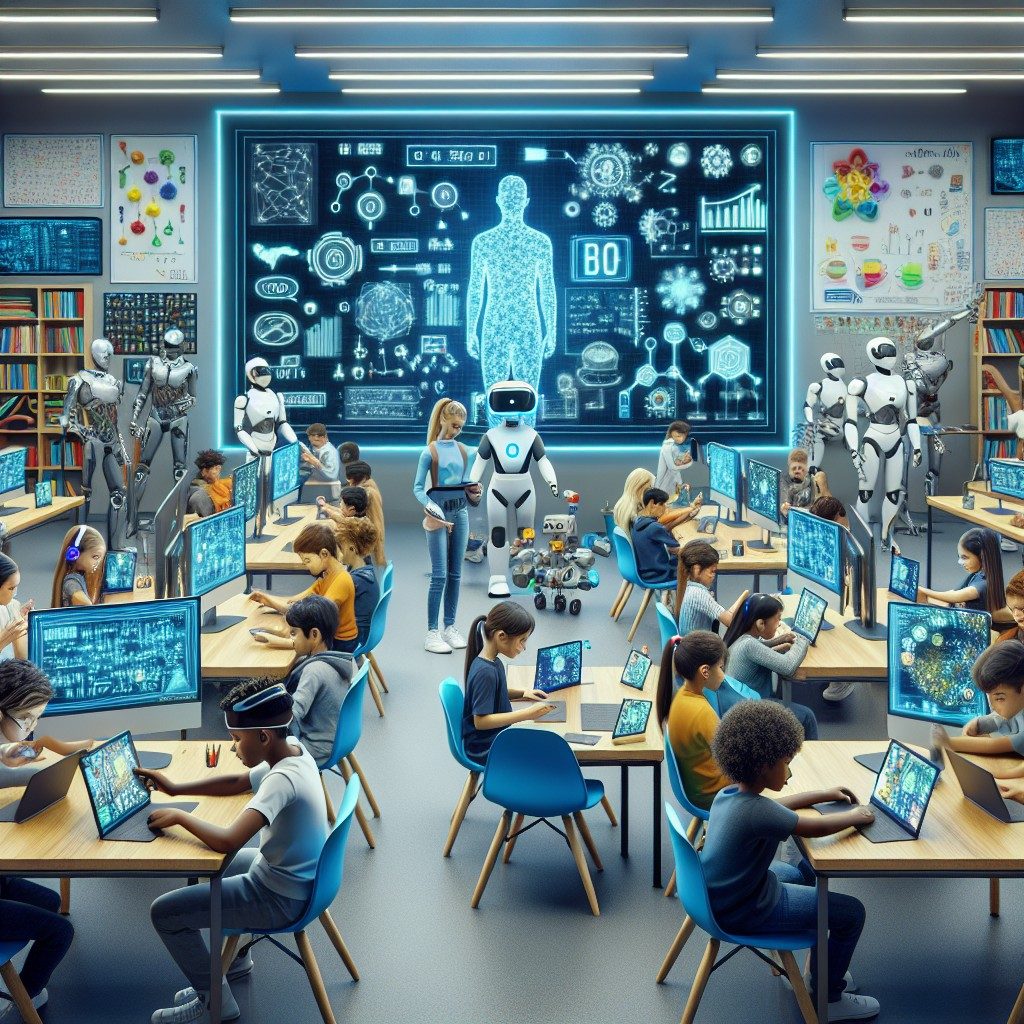
Another visible change is the use of AI-based tutors and virtual assistants in classrooms and at home. These systems can provide immediate feedback and answer questions outside school hours, extending learning beyond traditional boundaries. Romanian schools incorporating such technologies can offer students continuous support, reducing the dependence on physical teacher availability and allowing for more flexible learning schedules.
Data-Driven Assessment and Improved Feedback
AI-enabled edtech platforms are transforming how assessments are conducted. Instead of relying solely on standardized tests, these systems use continuous data collection to monitor student performance over time. This allows educators to give more nuanced feedback, tailoring instruction to address gaps in understanding. Parents benefit from more comprehensive reports, which give a clearer picture of their child’s academic journey.
Increased Accessibility and Inclusive Education
The application of AI in edtech also enhances accessibility for students with diverse needs. Tools utilizing speech recognition, language translation, and adaptive interfaces are becoming more common in Romanian classrooms. These technologies help break down barriers for students with disabilities or those who speak minority languages, fostering a more inclusive educational environment.
Challenges and Considerations for Implementation
While the benefits of AI in education are clear, Romanian institutions face challenges in adoption. Infrastructure limitations, teacher training, and data privacy concerns are key factors to address for successful integration. Moreover, ensuring equitable access to edtech solutions is crucial to prevent widening the digital divide. Stakeholders must collaborate to create sustainable frameworks that support these advanced technologies responsibly.
Conclusion
The introduction of AI into Romania’s educational sphere, particularly through innovative edtech solutions, is set to redefine teaching and learning experiences. Students and parents can expect more personalized, accessible, and data-informed education in the near future. However, careful planning and ongoing evaluation will be essential to maximize benefits while addressing practical challenges. As global trends indicate, edtech powered by AI will remain a significant force shaping education systems worldwide, including Romania.
Frequently Asked Questions about edtech
What is the role of AI in modern edtech?
AI plays a central role in modern edtech by enabling personalized learning, automating assessments, and providing virtual assistance to enhance educational experiences.
How will Romanian students benefit from AI-driven edtech tools?
Romanian students will benefit through tailored learning paths, additional support outside the classroom, and improved accessibility, all facilitated by AI-powered edtech solutions.
Are there privacy concerns related to AI usage in edtech?
Yes, data privacy is a significant concern with AI in edtech. Ensuring that student information is securely handled and compliant with regulations is essential for responsible use.
Can edtech powered by AI accommodate students with special needs?
AI-based edtech can greatly aid students with special needs by offering adaptive interfaces, speech recognition, and personalized content designed to improve accessibility and inclusion.
What challenges does Romania face in implementing AI in education?
Challenges include limited infrastructure, the need for teacher training, ensuring equitable access, and addressing data privacy issues to effectively implement AI-driven edtech.